RHU hosted a thought-provoking panel titled “Integrating Ethics and Spirituality in Education,” under the patronage of Mrs. Nazek Rafik Hariri, Chairperson of the RHU Board of Trustees and President of the Rafik Hariri Foundation. The panel gathered distinguished religious, intellectual, and legal figures to discuss the role of values in shaping individuals, strengthening communities, and guiding educational institutions in an increasingly complex world.
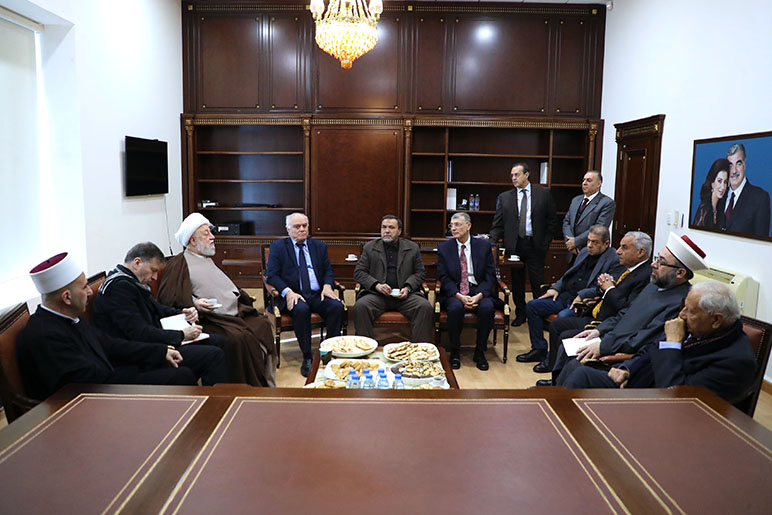
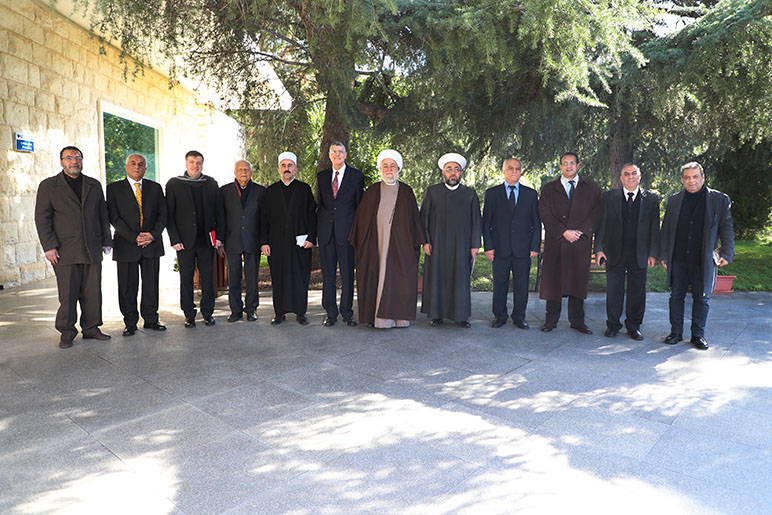
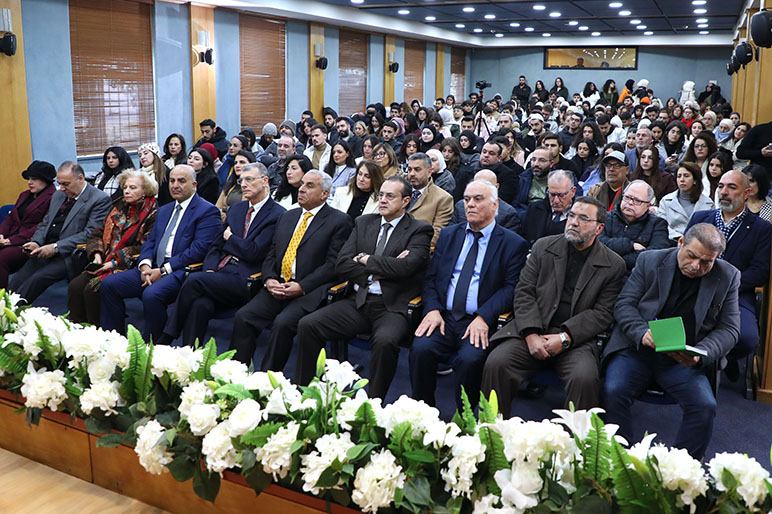
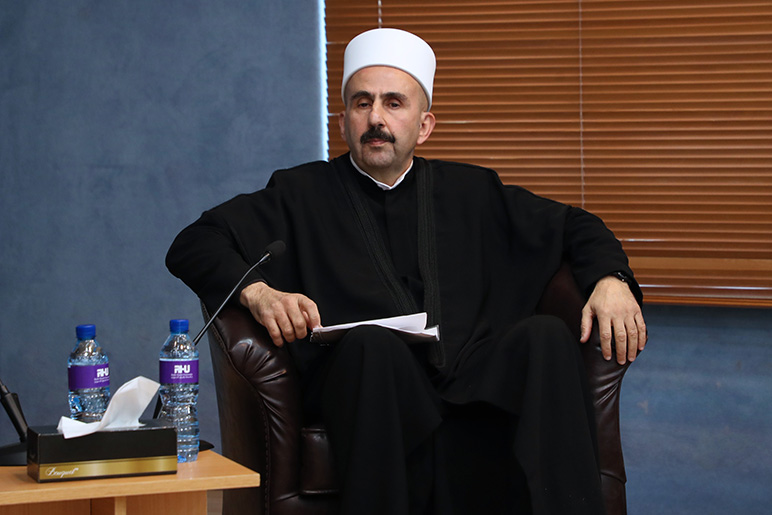
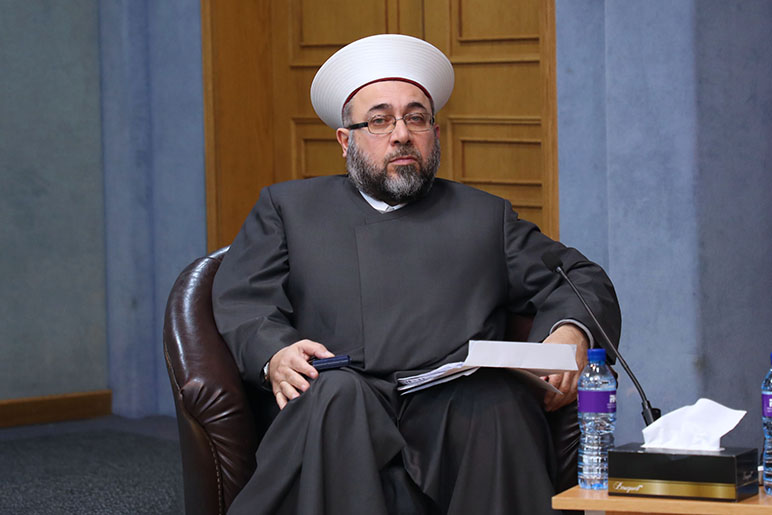
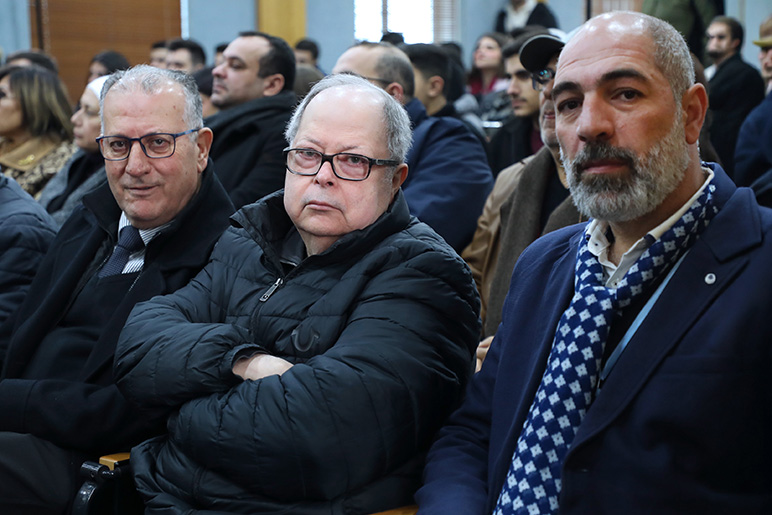
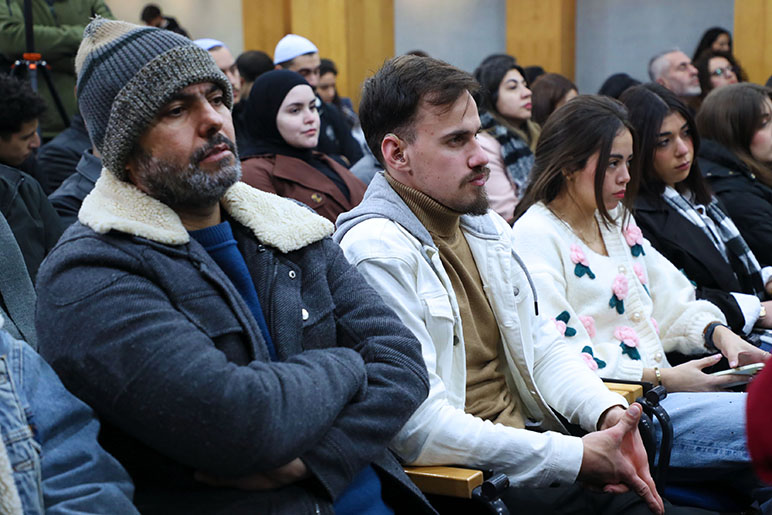
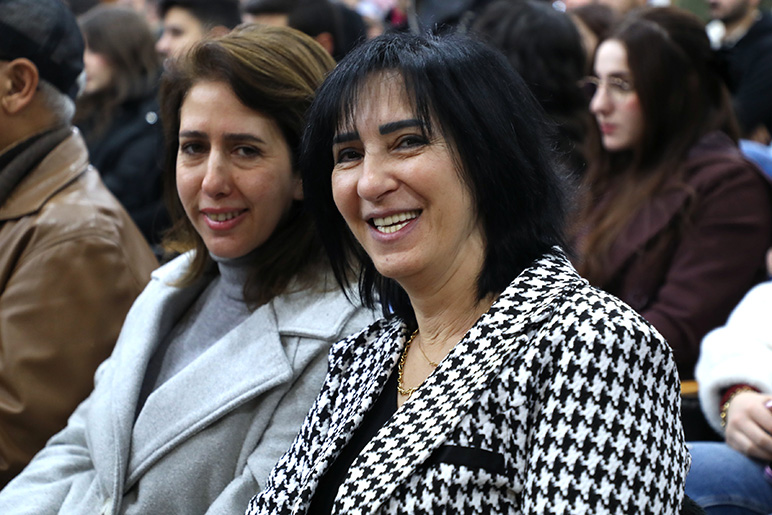
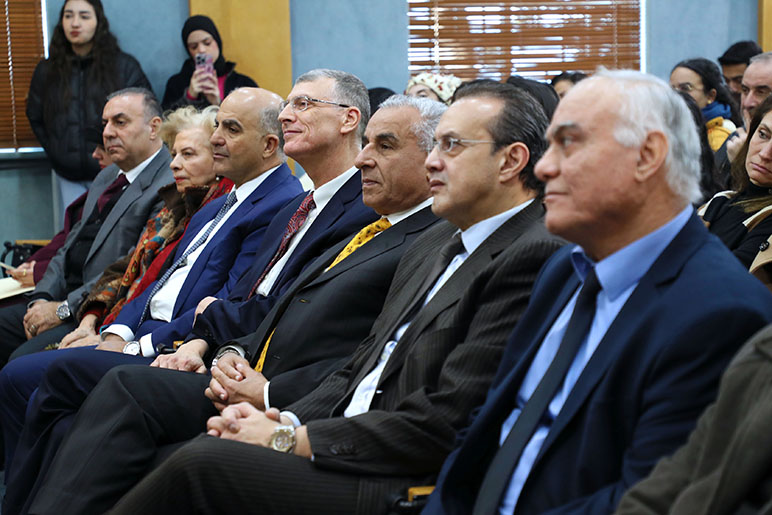
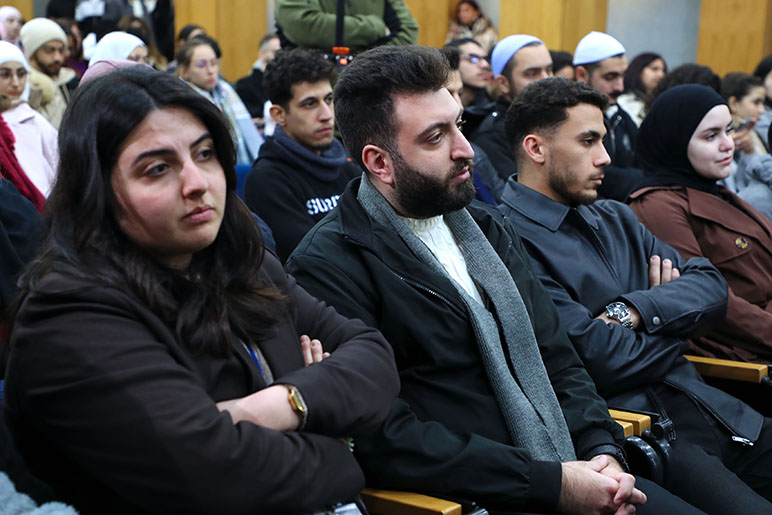
Moderated by Dr. Mohammad Sammak, the discussion featured Judge Sheikh Dr. Mohammad Hani Al-Jozo, His Eminence Mufti Sheikh Mohammad Osseiran, Father Dr. Youssef Nasr, and Sheikh Dr. Ramzi Saryeddine. The panel was presented by Mrs. Rafal Tabbaa, Director of Communication at RHU, and was attended by members of the RHU Board of Trustees, the Board of International Advisors (BIA), faculty, staff, and students.
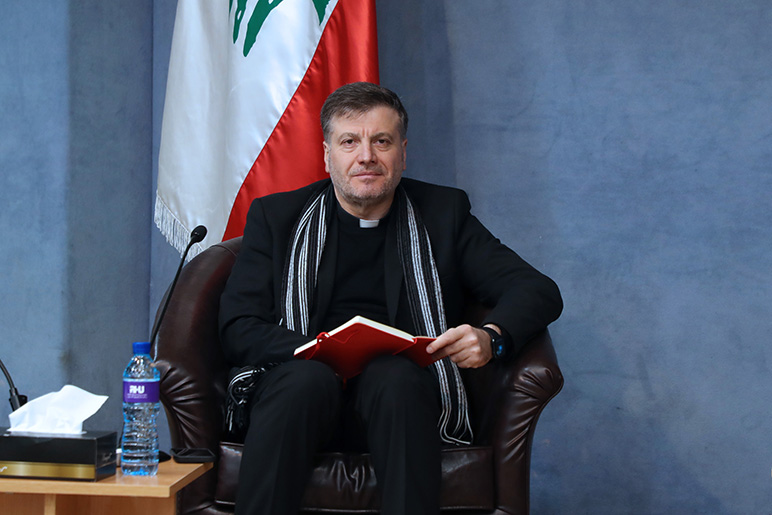
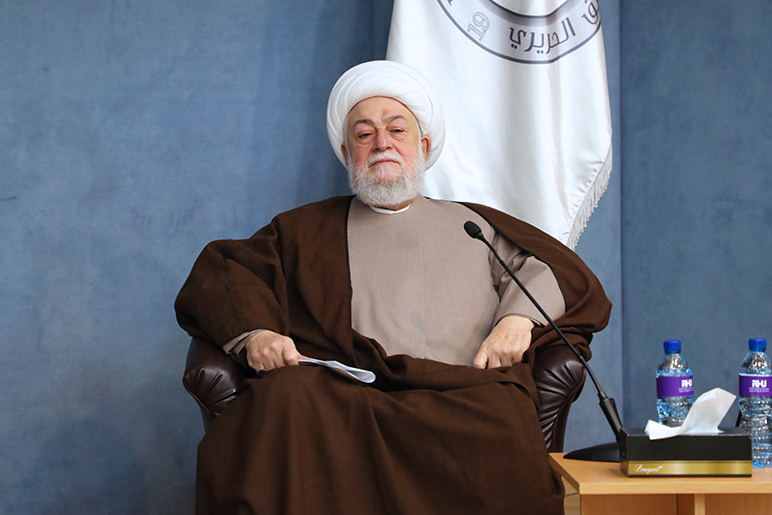
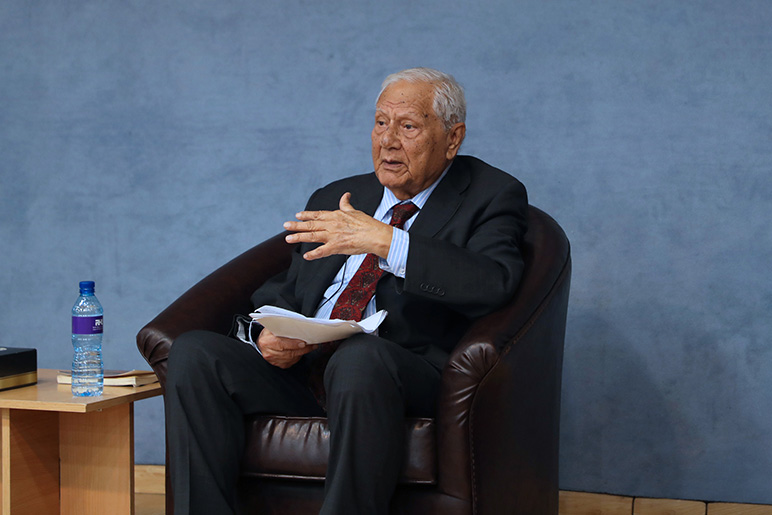
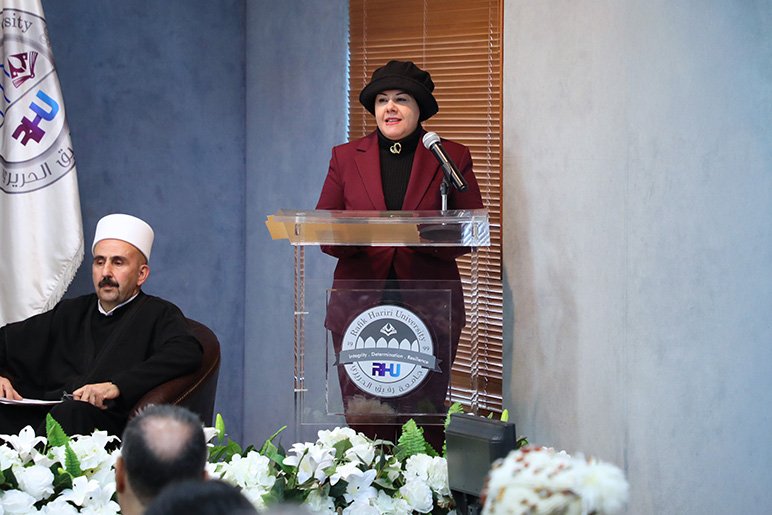
The discussion highlighted a shared belief that education is not just about transferring knowledge, but a comprehensive process focused on developing ethically grounded, socially responsible, and spiritually aware individuals. Panelists unanimously noted that knowledge without values can lead to imbalance and moral confusion, whereas education grounded in ethics promotes integrity, responsibility, and respect for human dignity.
His Eminence Mufti Sheikh Mohammad Osseiran emphasized that incorporating ethics into education is essential for civilization, stressing that knowledge cannot flourish without moral limits. He explained that in Islam, worship and conduct are intertwined, and that the core of education is in developing noble character. He warned that scientific progress without ethical oversight might ultimately mislead society.
Father Dr. Youssef Nasr emphasized the importance of education in rebuilding Lebanon and developing responsible citizens who can advance the nation. He stated that all religions share a common goal: creating aware individuals who can distinguish right from wrong and act accordingly. He called for a bold and transparent educational approach based on shared human values, highlighting that genuine education cannot exist without ethics and that teachers must demonstrate these values through their actions before their words.
Judge Sheikh Mohammad Hani Al-Jozo emphasized that no society can function without a solid ethical foundation, noting that all religions share core values such as honesty, trust, and integrity. He warned against unlimited freedom detached from moral responsibility and urged educational institutions, families, and society at large to work together in nurturing values among future generations. He further stressed that professional work gains its true meaning only when rooted in ethical principles.
Sheikh Dr. Ramzi Saryeddine reflected on the legacy behind RHU’s name, recalling the vision of late Prime Minister Rafik Hariri, who firmly believed that education is the key to developing the individual. He described ethics in education not as a luxury but as a vital pillar, defining education as a journey toward the development of conscience. He called for national strategies to integrate values into academic curricula and for stronger partnerships between educational institutions and society to reconnect progress with human purpose.
Moderating the discussion, Dr. Mohammad Sammak emphasized the shared moral foundations among religions, citing the Marrakesh Declaration and the need to review educational curricula. He stressed that ethics, compassion, tolerance, and love are the foundation of human development, drawing parallels between the prophetic mission of perfecting moral character and the central role of love and compassion in Christianity.
The panel concluded with a unified message: incorporating ethics and spiritual values into education is crucial for cultivating well-rounded individuals able to face modern challenges while remaining dedicated to the common good.
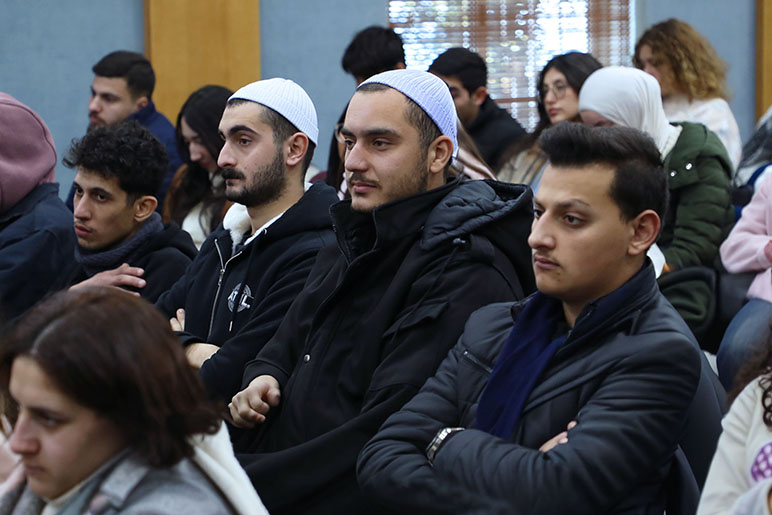
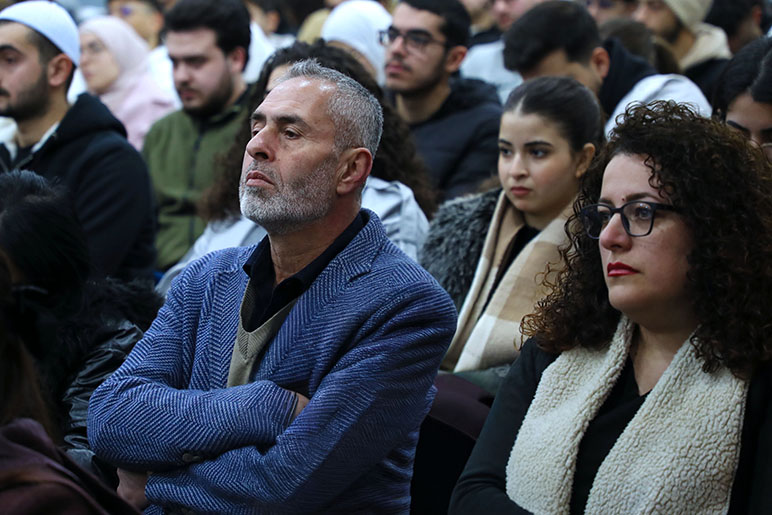
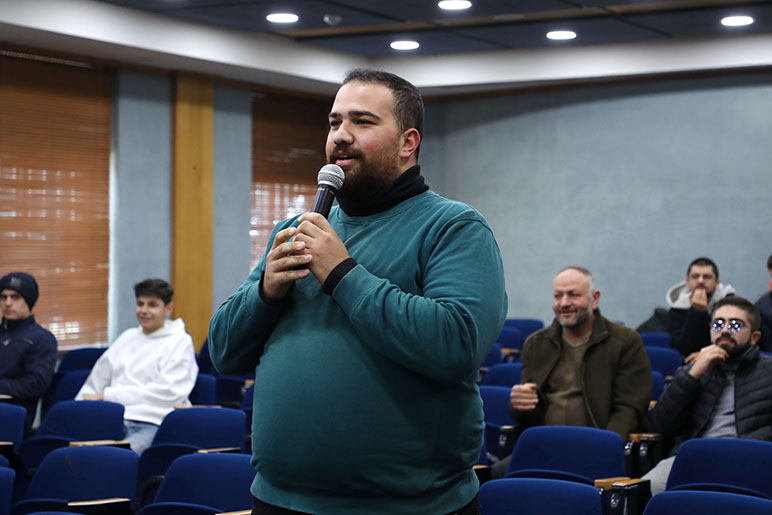
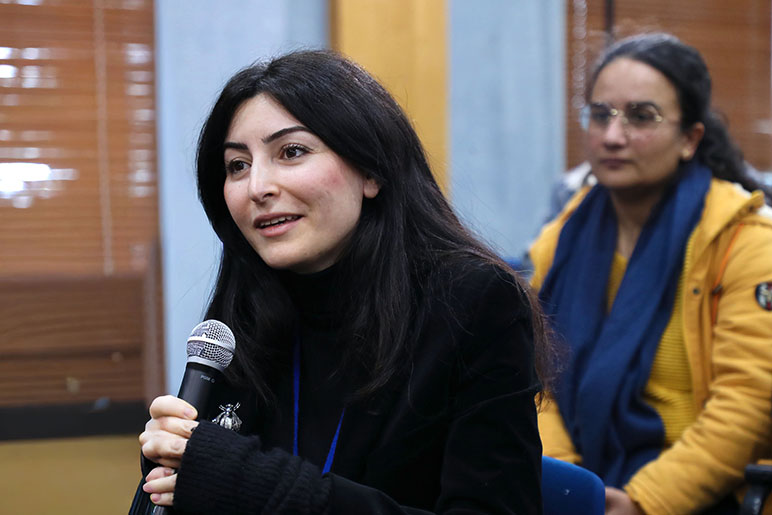
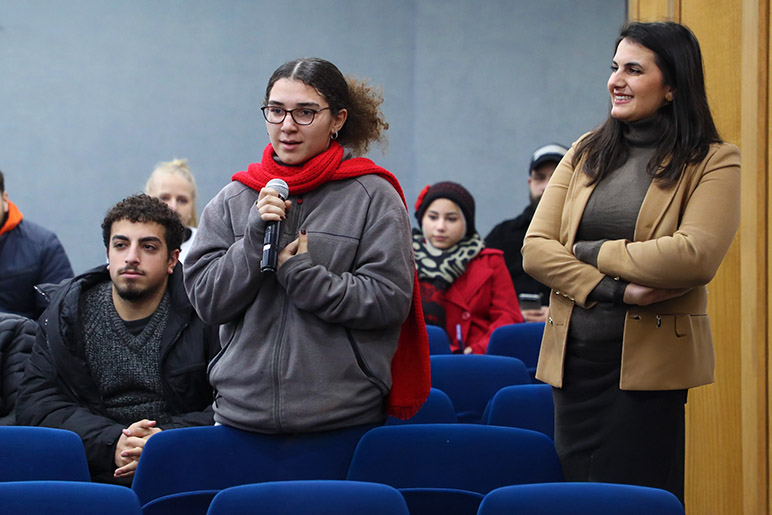
The discussion wrapped up with an interactive question-and-answer session, during which RHU students actively engaged with the panelists. Students asked insightful questions seeking guidance on ethical, spiritual, and professional dilemmas, benefiting from the wisdom and perspectives of the religious and intellectual leaders participating.